

A transport company sells thousands of tickets every single day, maintains hundreds of fleets and routes, and manages passengers, agents, and trip operations. You think it would be a mess behind the calm and collected web front. But it’s not.
Behind most operations, there’s a constant effort to keep things aligned — inventory, payments, agent activity, and reporting. The larger the network gets, the harder that alignment becomes.
But some operators don’t feel that strain the same way.
They run on a single system that connects ticketing, fleet movement, agent sales, and financial flow into one place. The difference shows up quickly. They experience fewer disputes, faster settlements, and clearer numbers at the end of the day.
One single system handles every part of the operation and runs a nationwide ticket booking platform efficiently. There’s no paper storm, no messy commission settlement arguments between the company and agents, and most importantly, far fewer operational errors at scale.
But a successful business is not only about avoiding errors and loss. Making a profit and growing in scale is a primary part of its success.
“In transport, growth doesn’t break systems. Weak systems break under growth.”
Where the Friction Actually Lives
Most inefficiencies in transport don’t come from the obvious places. The friction sits in between.
Cash bookings across agent networks, delayed settlements, or numbers that need to be settled at the end of the day instead of being visible in real time — none of it feels critical at first. It feels manageable.
Until volume increases. At that point, even small inconsistencies start spiralling out of control. While they don’t stop operations, they slow them down. Over time, they affect margins more than most operators expect.
In transaction-heavy environments, that kind of friction comes with a heavy price.
The Transition from Survival to Scale
For most fleet owners, the “manual era” was defined by a constant state of defensive management. You managed to sell tickets, keep the buses running, and the agents somewhat honest.
Codeware Limited spent the last decade shifting that paradigm. Instead of playing defence, leading transport operators from various parts of the world are now using a digital bus ticketing system that acts as a direct, offensive tool for growth.
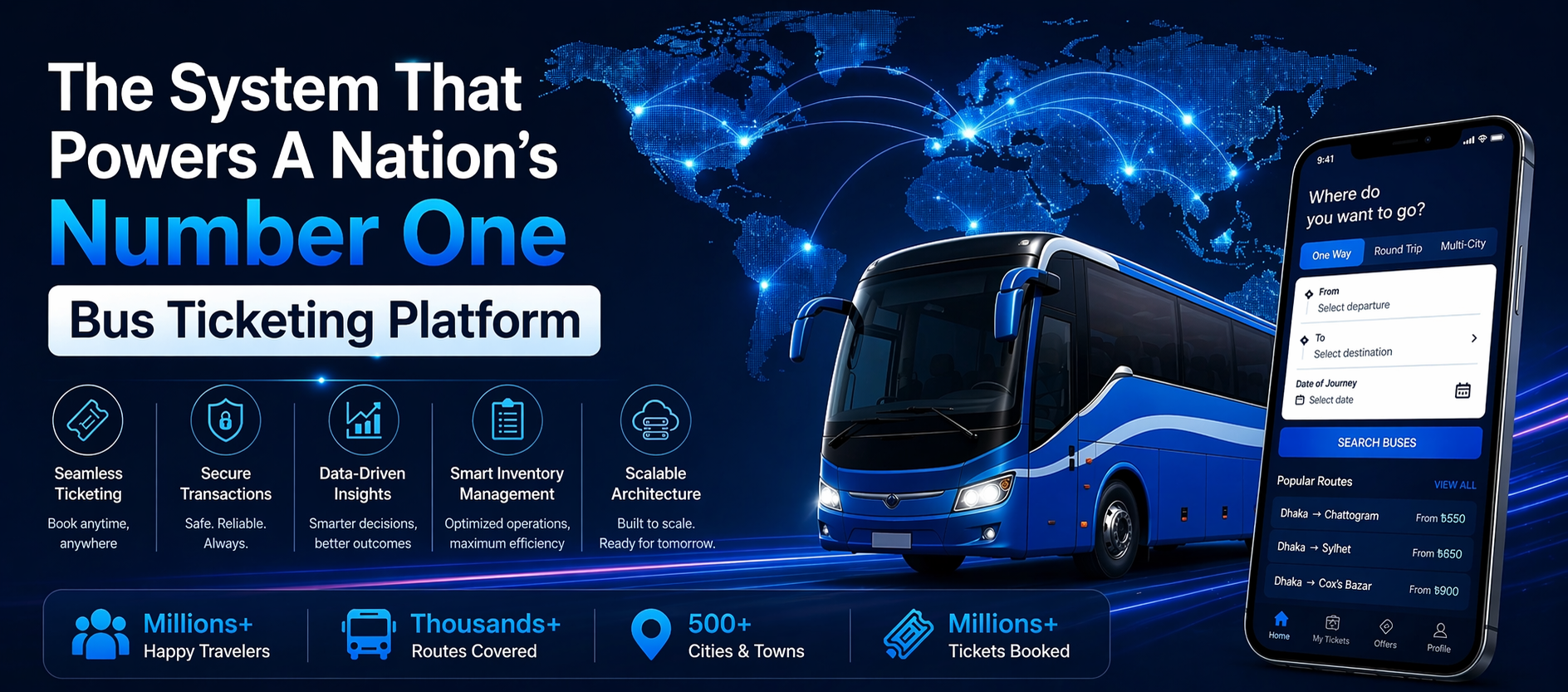
This evolution is why the platform currently powers a nation’s #1 e-ticketing platform. But it wasn’t built overnight. It was shaped over ten years of real-world stress tests, eventually helping a flagship client secure the national award for the best e-ticketing platform.
It’s easy to visualise how success at this level isn’t about having a website; it’s more about having an airtight operational architecture that doesn’t crash and burn when business scales.
Eliminating The Settlement Friction
The traditional relationship between a transport company and its agents is historically charged with tension. When cash moves through dozens of hands before reaching the head office, revenue leakage becomes almost inevitable. Industry data suggests that manual ticketing systems can suffer from a 5% to 10% revenue leak due to unauthorised bookings and lost cash settlements.
Codeware’s introduction of the credit-based agent wallet directly addresses this problem.
By requiring agents to maintain a digital balance to issue tickets, the system flips the script. Settlement becomes an instantaneous, automated transaction instead of a negotiation or a weekly headache.
The “messy settlement” gets replaced by a clean digital ledger that balances itself in real-time. It functions as a gatekeeper that automatically pauses sales the moment a credit limit is reached. This fail-safe ensures that no more tickets are issued until the agent clears their balance, finally putting an end to the cycle of chasing down uncollected revenue.
On the passenger side, the shift is equally transformative. As digital payment adoption continues to soar, the inclusion of a native passenger wallet isn’t just a convenience. It’s become a strategic move to capture “float” money and build a loyal user base that views your brand as their primary travel partner.
The Precision of A Marketplace
Codeware Limited has spent a decade refining the mechanics that allow a marketplace to scale without losing control. It does so by integrating dynamic seat mapping, parcel tracking, and trip management into a single, high-velocity engine.
The Expense Audit Trail:
Beyond the road, the system acts as a financial watchdog. By logging every fuel purchase and trip expense against specific routes, it allows operators to evaluate costs with surgical precision and prevent fuel theft. When you can compare trip-wise logs against actual mileage and seat occupancy, the discrepancy disappears. You can finally see the instances where fuel spend doesn’t align with the route’s demands.
In an industry where fuel purchases can account for nearly 40% of total operating expenses, the ability to audit these costs and evaluate them against trip data is the difference between just surviving and dominating the market.
The Battle-Tested Architecture of a National Leader
The reason this software has become the national gold standard is that it works when the pressure is at its peak.
During holiday seasons, when ticket demand spikes by 300% or more, most systems collapse.
Ours doesn’t even flinch. It manages the surge in API calls, the constant stream of agent wallet top-ups, and thousands of passenger notifications without missing a single beat.
We’ve transformed a simple ticketing tool into a success engine for any scale of transport business. It’s taken us years to polish the system into the high-velocity, powerful monster it is today.
And it has already proven its worth by taking a client from a standard operation to the country’s top-ranked platform.
Also read – Why Bus Management Software Is Essential for Digital Bus Operations